How Brigantes and Outdoor Research are transforming cold weather soldier systems.
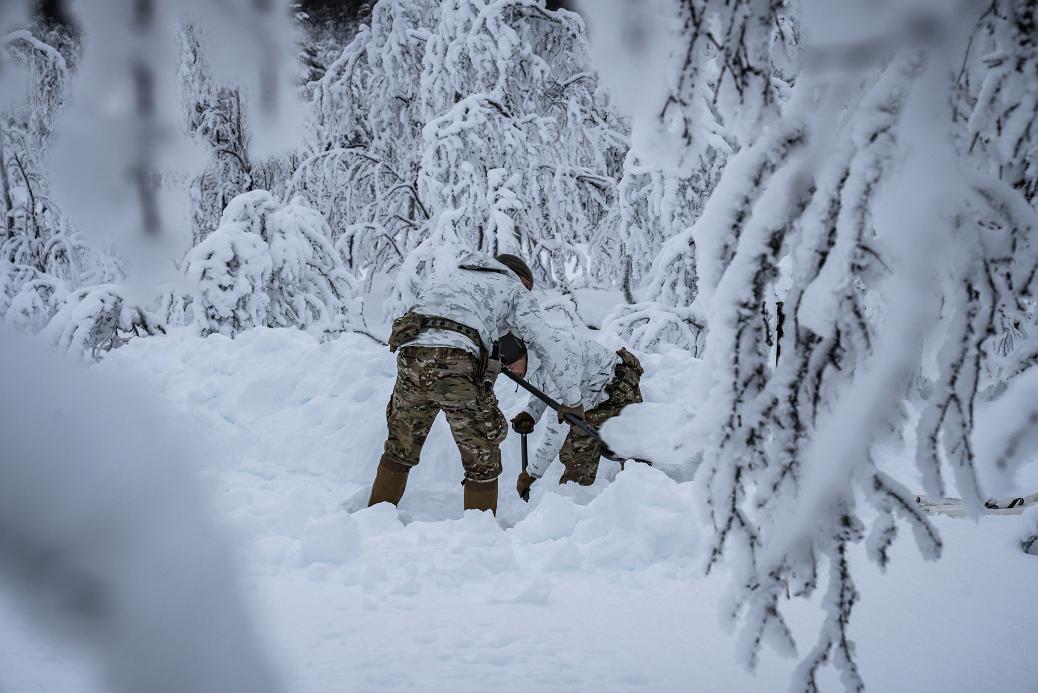
In the world of extreme cold weather (ECW) operations, there is no such thing as "toughing it out." In the Arctic or the high-altitude peaks of a winter deployment, the environment is a predatory force. For decades, the UK military has faced a silent, persistent enemy in these climates: Cold Induced Injuries (CII).
From the freezing terrain of the Falklands to modern-day exercises in Norway, the cost of inadequate gear has been measured in medically downgraded personnel and life-long conditions like Non-Freezing Cold Injury (NFCI).
At Brigantes, we knew the status quo wasn't good enough. By partnering with Outdoor Research (OR) Tactical, we have spent the last few years overhauling how the British soldier is equipped for the freeze. Here is how we've moved from "surviving" to "effective."
The Legacy Problem: Why "Standard Issue" Failed
Historically, UK military cold-weather kit often struggled to balance the "static vs active" paradox.
The Moisture Trap: Older issued layers were often heavy and lacked breathability. When a soldier works hard, they sweat. In the Arctic, moisture is a hazard; once you stop moving, that sweat freezes, leading to rapid heat loss and hypothermia.
The "Michelin Man" Effect: Previous generations of kit were so bulky that they restricted movement and made accessing combat equipment difficult.
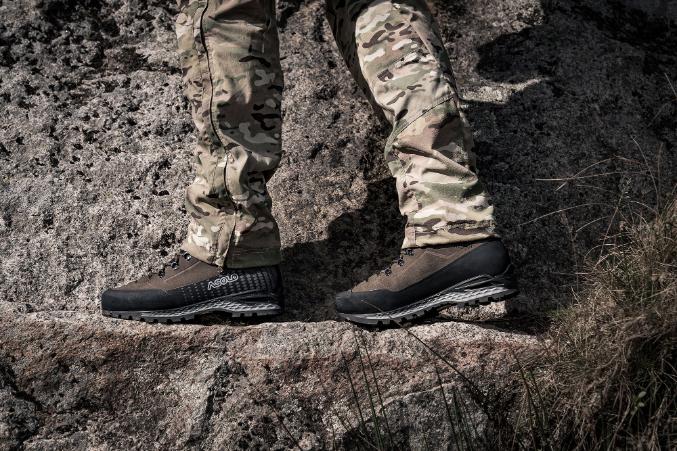
Poor Peripheral Protection: Gloves and boots were often the weak links. NFCI occurs when tissues are subjected to prolonged cooling and dampness. Without high-performance membranes and moisture-wicking materials, "standard issue" was often a recipe for a medical discharge.
The Brigantes & Outdoor Research Solution
We didn't just want to provide a warmer smock; we wanted to provide a Soldier System. Working with Outdoor Research, we introduced technical apparel—gear specifically engineered for the tactical athlete.
1. The Science of Layering
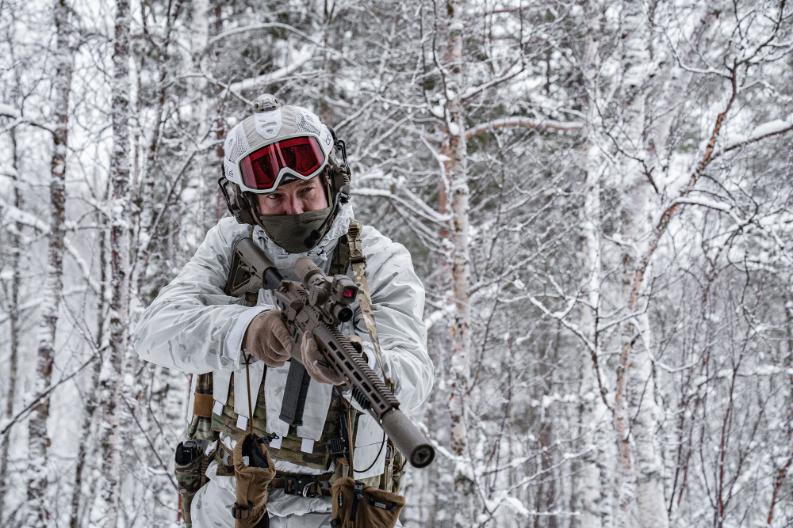
Through our collaboration with OR, we transitioned the Field Army to sophisticated layering systems that utilise GORE-TEX® and advanced synthetics.
The Base: Wicks moisture away before it can cool the skin. The Mid: Provides lofted insulation that retains heat even when damp. The Shell: Total protection from wind and spindrift while allowing internal vapours to escape.
2. Specialised Extremity Protection
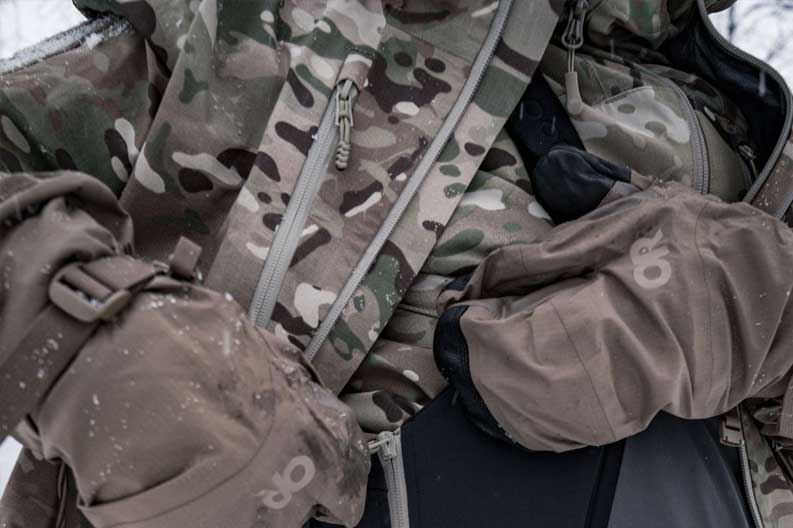
The hands and feet are the first to go. By providing OR's industry-leading technical gloves—which offer high dexterity alongside extreme thermal protection—we have seen a direct correlation in the reduction of digit-based cold injuries. When a soldier can operate their weapon and equipment without removing their gloves, the risk of frostbite drops significantly.
3. Reduced Medical Attrition
The data is clear: better kit leads to better retention. Since Brigantes began supplying integrated ECW solutions to the Field Army and Joint Aviation Command, there has been a marked decrease in the number of troops "going down" with cold-related injuries.
"Proper equipment isn't a luxury; it's a combat multiplier. If a soldier is focused on their frozen toes, they aren't focused on the mission."
Looking Ahead: The Commitment to the Front Line
With Brigantes recently securing major contracts to provide Extreme Cold Weather clothing for the UK MOD, we are ensuring that the lessons learned in the mountains and the Arctic are permanently woven into the fabric of the British military's capability.
We are proud to bridge the gap between elite outdoor technology and the requirements of the modern battlefield. The environment hasn't changed, but thanks to the partnership between Brigantes and Outdoor Research, the UK's ability to dominate it has.
Stay warm. Stay operational.